Automated Teller Machines (ATMs) have become integral to modern banking, providing customers with 24/7 access to cash withdrawals, account information, and other banking services. ATMs offer convenience, speed, and accessibility.
However, various ATM problems can arise with widespread usage, ranging from minor inconveniences to significant disruptions. These issues can lead to customer frustration, financial losses, and security risks.
Addressing these challenges requires a thorough understanding of common ATM problems and solutions, which improves ATM customer experience and is crucial for banks and financial institutions to maintain customer trust and guarantee smooth operations.
Only after identifying and effectively addressing these problems can financial institutions provide a more reliable and secure banking experience for their customers.
Common ATM Problems
Common ATM problems can significantly impact the banking experience for customers, leading to delays, frustration, and even security concerns.
This section will explore some of the most common issues with ATMs, from hardware malfunctions to software glitches and security threats.
Understanding these problems is the first step in finding practical solutions to ensure that ATMs remain reliable and secure for all users.
1. Hardware Malfunctions
H Hardware issues are among the most common reasons for ATMs not working. They can range from minor inconveniences to severe malfunctions that make customers feel the ATM is out of control, especially when essential components fail during a transaction. Common hardware-related problems include:
- Card Reader Issues: A frequent problem is the card reader’s inability to read debit or credit cards due to wear and tear or debris accumulation. This leads to transaction failures and customer frustration.
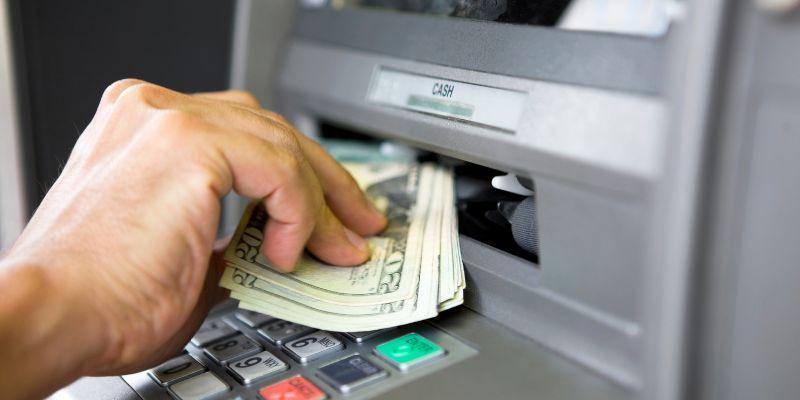
- Cash Dispensing Problems: ATMs are designed to dispense specific denominations of cash. When hardware malfunctions occur, the ATM might dispense incorrect amounts, get jammed, or fail to release cash. According to Electroiq, 85% of ATM transactions worldwide are cash withdrawals, with over 70% dispensing $20 or $50 notes, heightening risks from dispensing jams.
- Printer Jams: ATMs often print transaction receipts. Printer jams can cause delays and result in customers leaving without a receipt, leading to transaction confusion or disputes.
2. Software Glitches
Software-related issues can be more challenging to diagnose and fix. These glitches may disrupt the smooth operation of ATMs:
- Transaction Errors: Software bugs can cause incorrect transaction processing, such as double charging or incomplete transactions, resulting in financial discrepancies.
- Screen Freezing: ATMs with touchscreen interfaces can freeze or become unresponsive, preventing customers from completing transactions and causing frustration.
- Network Connectivity Issues: ATMs rely on secure networks to communicate with banks. When connectivity is lost or intermittent, it can lead to transaction failures and leave customers wondering why ATMs are not working.
3. Security Concerns
Security is a significant concern with ATMs, given the sensitive nature of banking transactions. Several common security risks include:
- Skimming Devices: Criminals may attach skimming devices to ATMs to steal card information. These devices can be challenging to detect and can lead to identity theft.
- PIN Theft: Thieves may use hidden cameras or other techniques to capture Personal Identification Numbers (PINs), putting customers’ accounts at risk.
- Malware Attacks: ATMs are susceptible to malware attacks, which can compromise the security of transactions and customer information.
Impact of ATM Problems
The impact of ATM problems extends beyond technical issues, affecting both customers and financial institutions. Some of the critical impacts include:
1. Customer Frustration
When ATMs don’t work as expected, it can cause significant inconvenience for customers. This might happen due to card reader issues, cash dispensing problems, or software glitches.
As a result, customers might find themselves in long queues, waiting for a working machine or seeking help from bank staff.
Such experiences often lead to negative customer feedback, impacting overall satisfaction with the banking service.
According to Briks, Revenue losses from ATM downtime total around $37 million for banks, representing nearly 25% of all downtime-related expenses worldwide.
Customers expect a smooth and quick process, and when ATMs fail, it disrupts their routine, creating dissatisfaction and even resentment towards the bank.
2. Financial Losses for Banks and Customers
ATM problems can lead to direct financial losses for both banks and customers. For banks, frequent hardware repairs and downtime result in lost revenue and increased maintenance costs.
Moreover, security breaches like skimming devices or malware attacks can lead to unauthorized transactions and financial fraud.
Customers might experience incorrect transactions, double withdrawals, or even account theft, resulting in unexpected charges and the loss of funds.
This can erode trust and trigger a wave of negative customer response, harming the bank’s reputation.
3. Damage to the Reputation of Banks
When ATM problems persist, the damage extends beyond immediate financial losses. Frequent malfunctions and security incidents can tarnish a bank’s reputation, decreasing customer trust.
If a bank is known for unreliable ATMs, customers may choose other banks with better queue management and fewer technical issues.
This loss of trust can have long-term effects, with customers sharing their negative experiences through social media and word-of-mouth, deterring others from using the bank’s services.
Addressing these ATM problems and solutions promptly is necessary to maintain a positive image and customer loyalty.
When banks proactively tackle issues, they demonstrate a commitment to customer satisfaction, helping to rebuild trust and ensure a more reliable banking experience for their clientele.
Solutions to ATM Problems
When addressing ATM problems and solutions, banks must take a comprehensive approach that tackles both hardware and software issues while focusing on practical ways to show how to solve ATM problems in everyday operations. This includes better maintenance practices, timely technology upgrades, customer education, and enhanced surveillance.
By addressing issues proactively, banks can reduce disruptions and prevent future problems, ensuring ATMs remain reliable and secure touchpoints for customers to complete their banking transactions with confidence.
1. Enhanced Maintenance Protocols
Regular maintenance and prompt repairs are crucial to ensure ATMs operate smoothly. Effective maintenance protocols include:
- Regular Inspection and Cleaning: Routine inspections and cleaning of ATMs can prevent hardware issues and ensure consistent operation.
- Prompt Repair Services: When ATM problems arise, a quick and efficient repair team can minimize downtime and customer inconvenience.
2. Upgraded Technology
Technological advancements can help mitigate ATM problems and increase security. Some key upgrades include:
- EMV Chip Technology: EMV chip cards offer greater security than traditional magnetic stripe cards, reducing the risk of skimming and unauthorized access.
- Advanced Encryption Methods: Stronger encryption techniques can safeguard customer data and reduce the likelihood of security breaches.
3. Improved Customer Education
Educating customers about ATM safety and best practices is necessary for preventing security risks and addressing common problems. Effective customer education involves:
- Awareness Campaigns on Security Measures: Banks can conduct campaigns to inform customers about skimming devices, PIN theft, and other risks, encouraging vigilance when using ATMs.
- Guidance on Transaction Procedures: Providing clear instructions on using ATMs can reduce transaction errors and improve the overall customer experience.
4. Enhanced Surveillance
Surveillance is critical in detecting and preventing security risks at ATMs and other ATM problems. Key measures include:
- CCTV Cameras: Installing high-quality CCTV cameras around ATMs can deter criminal activity and provide evidence in case of incidents.
- Fraud Detection Systems: Advanced systems can monitor ATM activity for suspicious patterns, enabling banks to respond quickly to potential security threats.
- Software-Based Solutions: A software-based solution for ATMs enhances surveillance by enabling real-time monitoring, intelligent alerts, and centralized control, helping banks detect suspicious activity early and improve overall ATM security.
According to the report by Reed Intelligence, Software-based security solutions grow fastest at 12.3% CAGR through 2033, enabling centralised fraud detection across ATM networks worldwide.
Future Trends and Innovations
As technology evolves, future trends and innovations can address existing ATM problems and solutions while adding to the customer journey.
1. Biometric Authentication
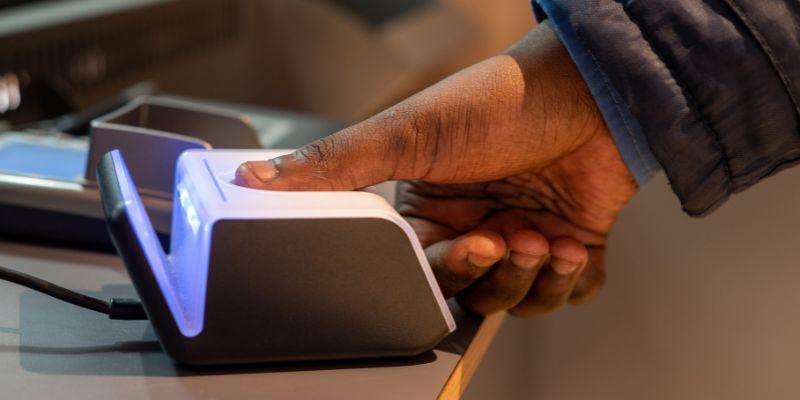
Biometric technology, including fingerprint or facial recognition, is increasingly used to boost ATM security. By linking ATM transactions to unique physical features, this technology reduces the risk of unauthorized access and potential fraud.
It provides a more secure alternative to traditional PIN-based systems, which are susceptible to theft and unauthorized sharing.
Introducing biometrics can significantly reduce ATM problems and solutions related to unauthorized access and improve customer confidence.
2. Contactless Transactions
Contactless technology is gaining popularity. It allows customers to complete transactions without inserting their cards, reducing wear and tear on card readers and minimizing the risk of skimming devices attached to ATMs.
With contactless transactions, users can tap their cards or use mobile devices like smartphones or smartwatches to complete transactions.
This addresses why ATMs are not working due to mechanical failures, improves transaction speed, reduces queuing times, and improves overall customer involvement.
3. AI-Powered Maintenance Predictions
Artificial intelligence (AI) can predict when ATMs will likely experience issues. AI-powered maintenance predictions use data and analytics to identify potential problems before they occur, allowing banks to schedule maintenance proactively.
This approach reduces ATM downtime and ensures a smoother banking experience for customers.
With AI monitoring, banks can quickly address common ATM problems, such as hardware malfunctions and software glitches, before they impact customer service.
This leads to fewer interruptions, better queue management, and increased customer satisfaction.
4. AI and Smart Features
AI-powered ATMs are transforming self-service banking by making machines smarter, safer, and more efficient. Using machine learning, these ATMs can detect fraud, monitor transactions, and predict cash needs before shortages occur. Smart features also enable personalised services based on customer behaviour.
Video banking enables users to connect with bank representatives in real-time, while cryptocurrency-enabled ATMs help bridge the gap between traditional banking and digital finance.
5. Cash Recycling and Multi-Functionality
Cash recycling ATMs improve efficiency by validating and reusing deposited cash, which reduces replenishment costs and minimises handling errors. These machines are evolving into multi-function ATMs that offer more than just withdrawals.
Customers can pay bills, transfer funds, deposit checks, and even open accounts through a single self-service platform. This approach helps banks reduce branch workload while improving customer convenience and service availability.
FAQs:
How to solve an ATM problem?
Start by identifying the issue – such as a cash dispense error, card retention, or transaction failure – then immediately report it to your bank through customer support or mobile banking so the transaction can be reversed or investigated quickly.
What are the ATM errors?
Common ATM errors include cash not dispensing but the amount being debited, card getting stuck, incorrect cash amounts, network or communication failures, and screen or keypad malfunctions.
What to do if an ATM malfunctions?
If an ATM malfunctions, cancel the transaction if possible, avoid repeated attempts, keep the transaction receipt or note the ATM ID, and contact your bank right away to prevent financial loss and ensure the issue is resolved.
What are the signs of ATM tampering or skimming, and how can I protect myself?
ATM skimming involves hidden devices attached to card slots or keypads to steal card data and PINs. Common signs include loose card readers, unusual overlays, or misaligned keypads.
What to do:
Before using an ATM, inspect the card slot and keypad for anything unusual. If something feels loose or suspicious, cancel the transaction immediately. Always cover the keypad while entering your PIN. If you suspect ATM skimming, contact your bank right away to secure your account and request a replacement card.
Conclusion
ATMs are essential to modern banking, offering convenience and accessibility to customers. However, ATM problems can lead to customer frustration, financial losses, and security risks.
Banks can improve ATM reliability and security by understanding common issues and implementing practical solutions.
Enhanced maintenance protocols, upgraded technology, improved customer education, and better surveillance are critical steps in addressing ATM problems and solutions.
Future trends, such as biometric authentication, contactless transactions, and AI-powered maintenance predictions, promise to revolutionize ATM operations, ensuring customers a smooth and secure banking experience.
BOOK A FREE DEMO