

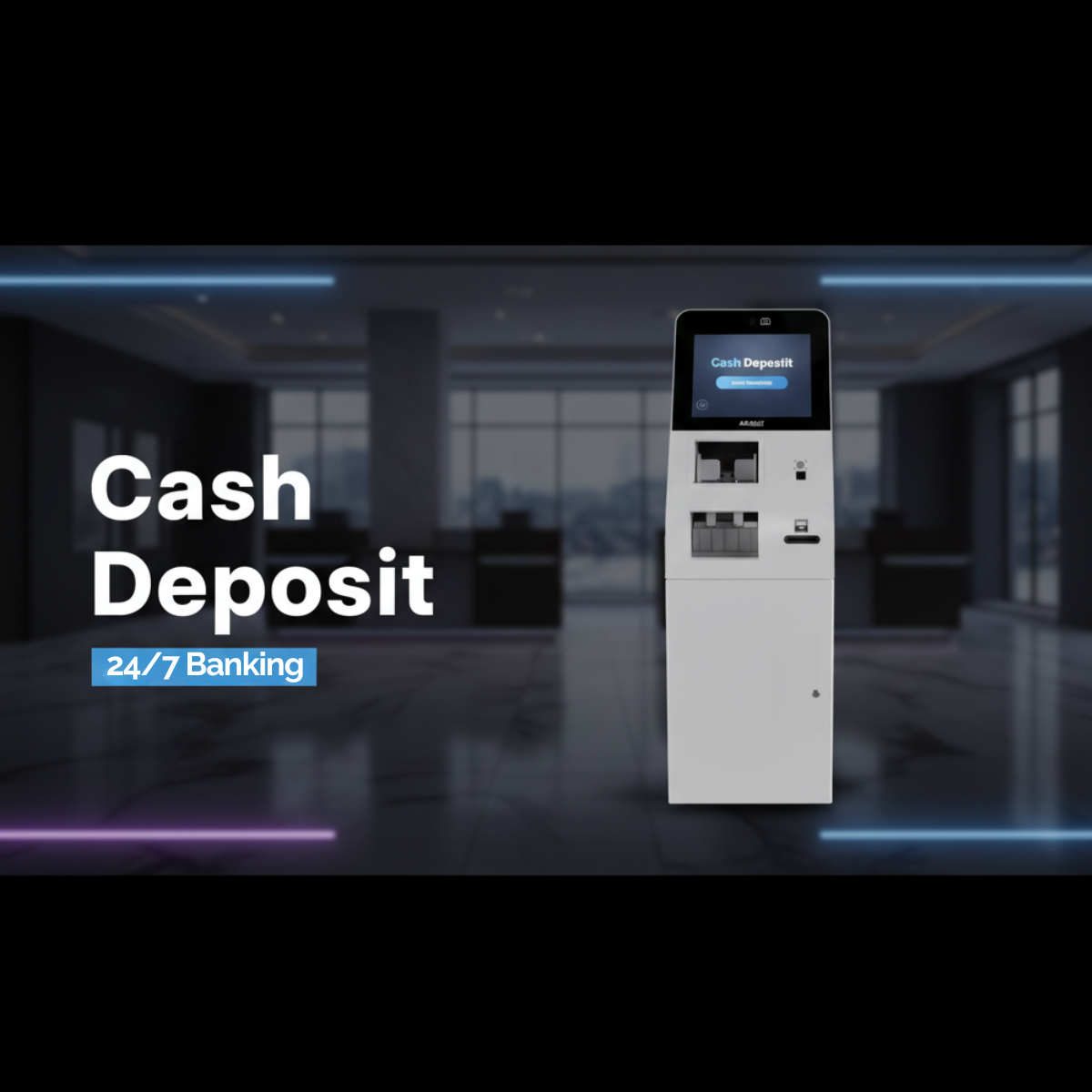
Cash Deposit Machine for 24/7 Banking
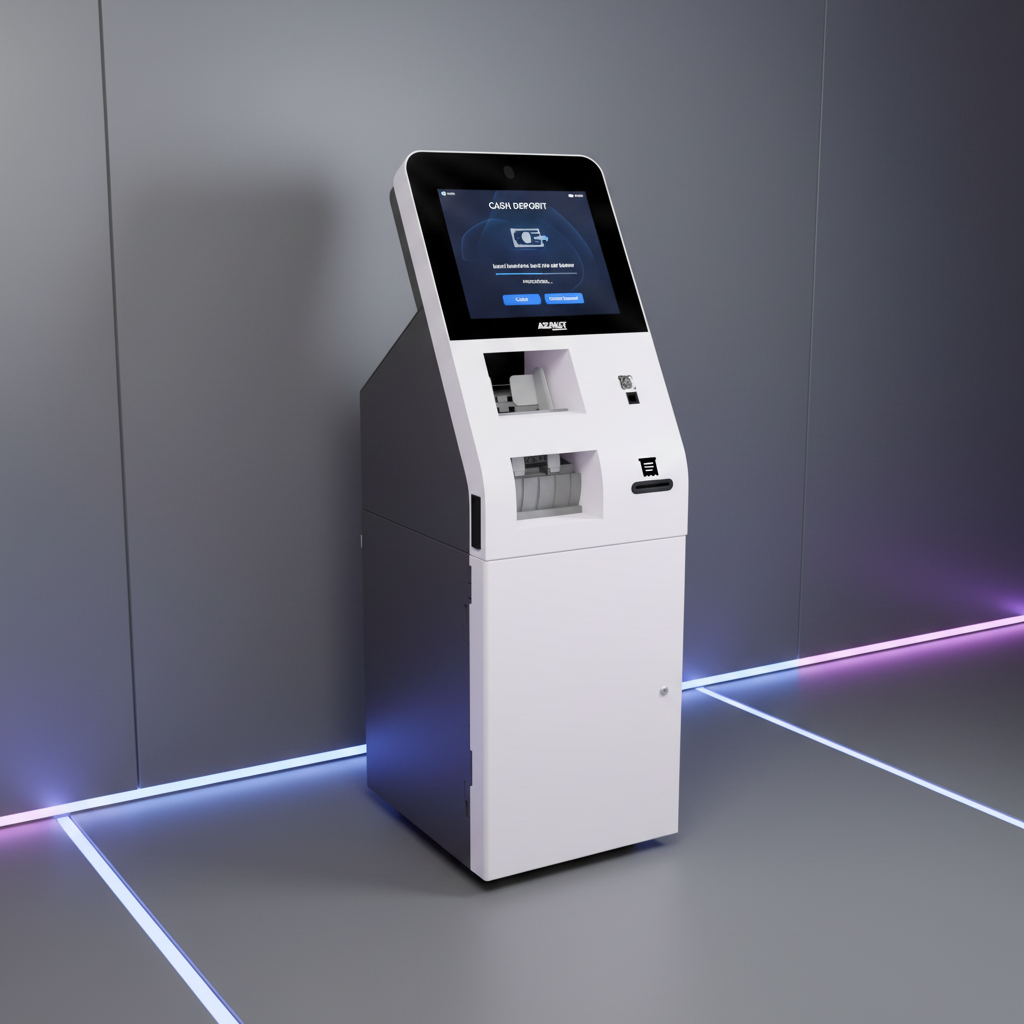
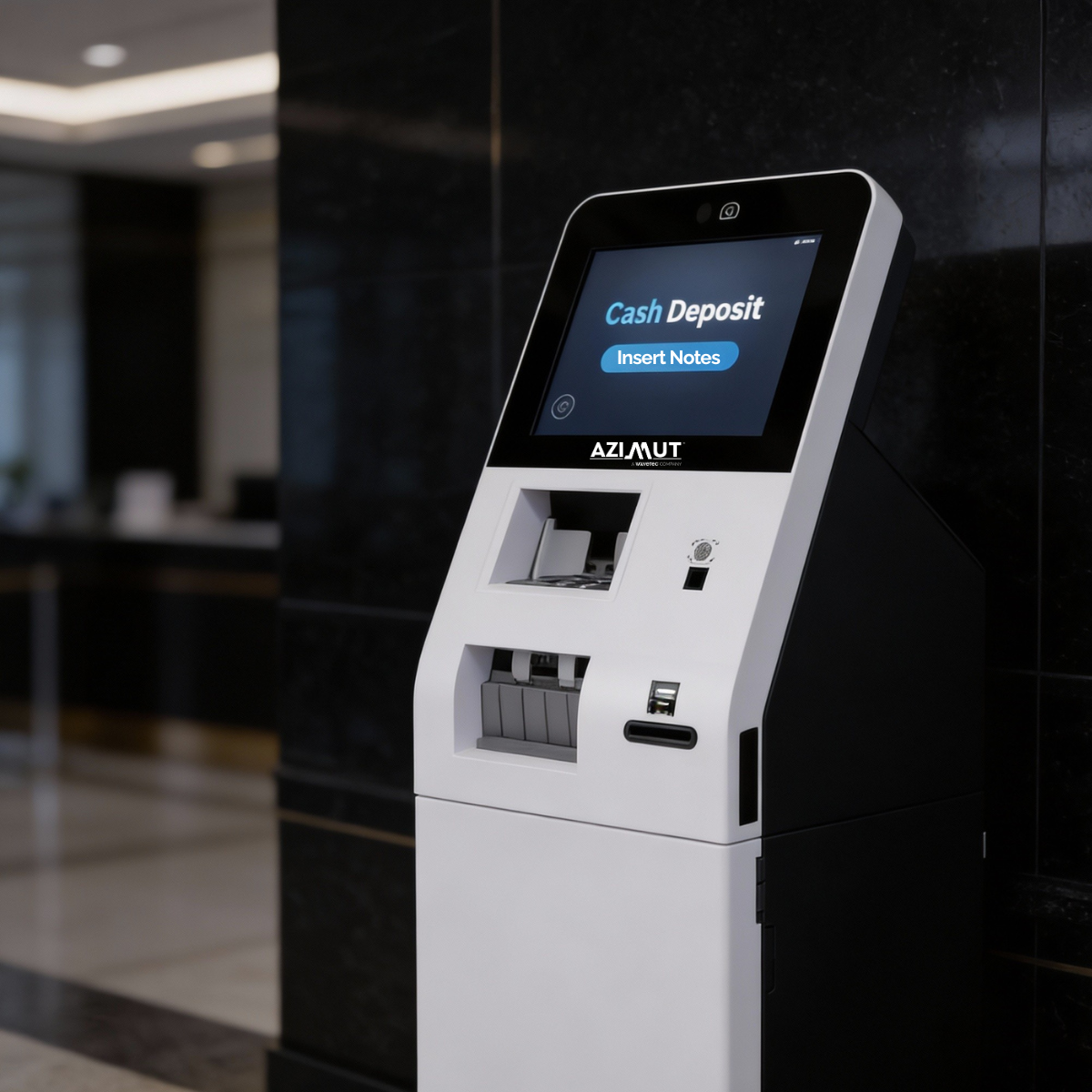
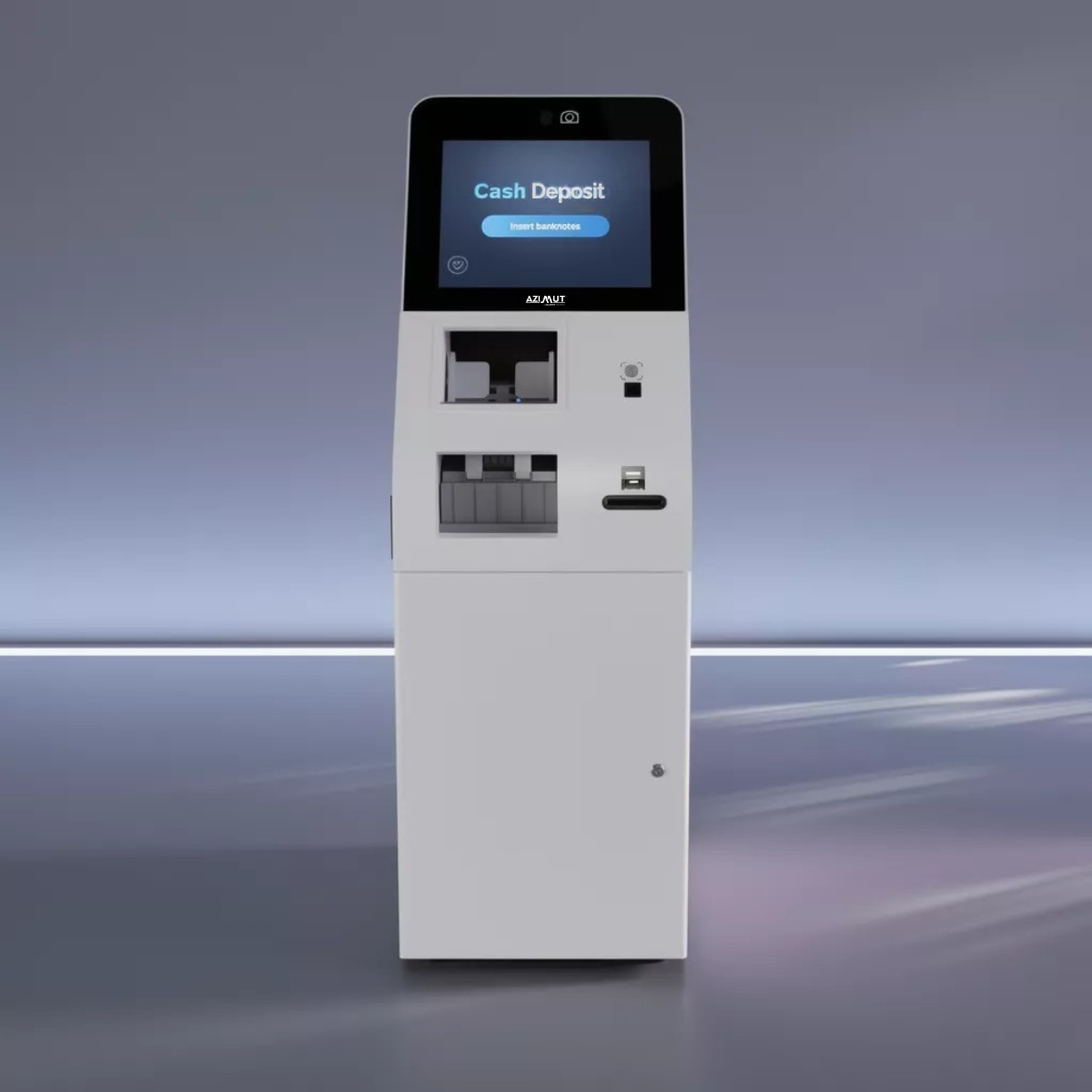
CQuick is a secure cash deposit machine that automates bulk deposits, integrates with core banking, and centralizes monitoring to extend hours and cut manual workload.
Trusted by leading banks around the world.

Cquick Cash Deposit Machines
Automate Cash Deposits End to End
Our CDM’s collectively process over 7.1 million USD on daily basis.
Turn Data Into Insights
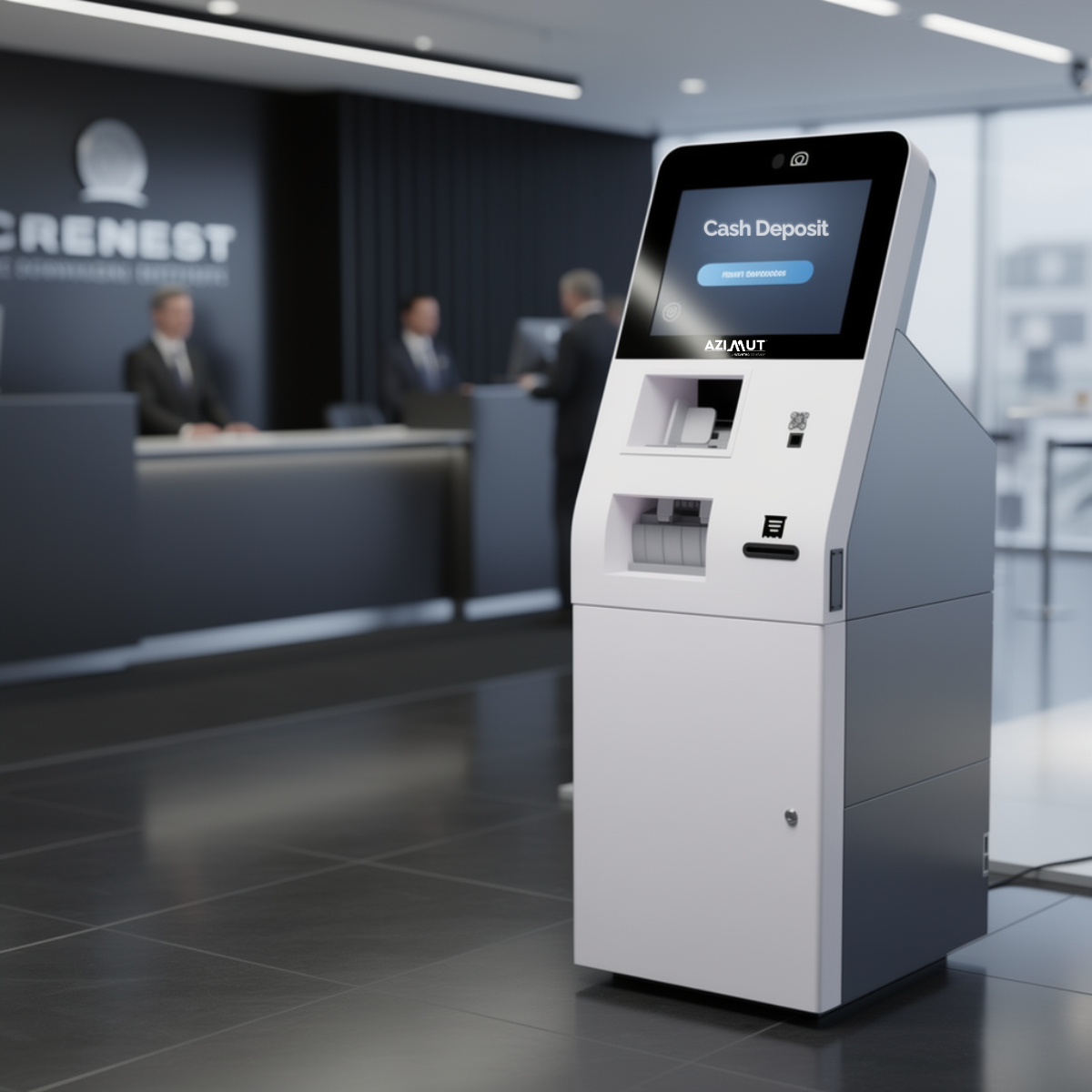
Self-service cash deposit machine with ViaOS dashboard showing device health, cash levels, and transaction summaries in an ATM lobby setting.

Real-Time Monitoring
ViaOS surfaces live device status, cash levels, and exceptions across your CDM fleet, enabling faster issue resolution, proactive cash-in-transit planning, and fewer service interruptions.

Seamless Integration
Host/CBS integration patterns connect CQuick with core banking, CRM, and fraud controls to post deposits instantly, reconcile shifts, and sync customer profiles across channels.

Flexible Deployment
Roll out in ATM lobbies, branches, or public spaces with enclosure options, ADA-aware UI, multilingual flows, and optional remote assistance for guided, compliant transactions.
Key Features & Capabilities
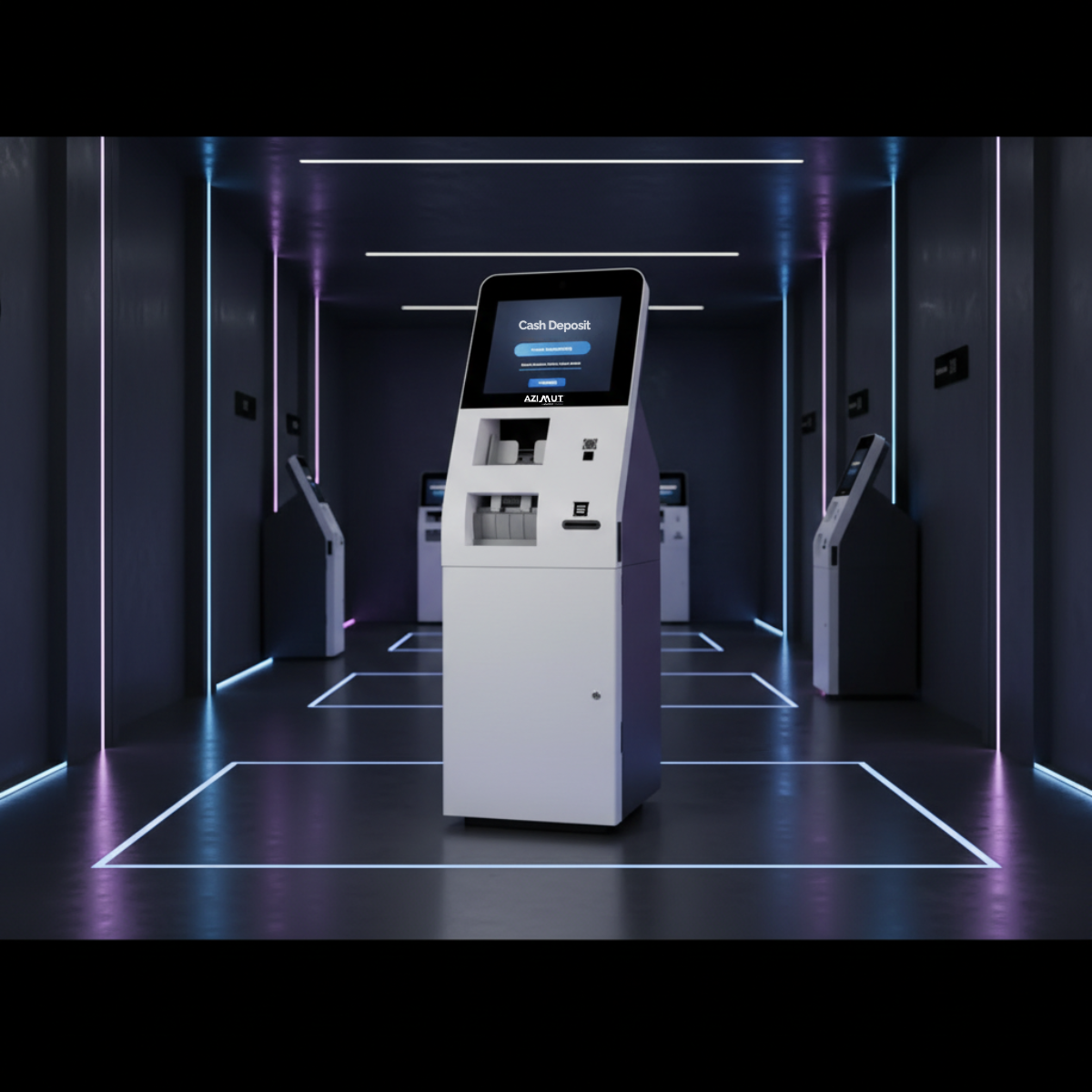
Bulk Escrow and Capacity
Process up to ~500 notes per deposit with escrow validation and high-capacity storage sized for lobby and high-street volumes. Intelligent note handling improves first-time acceptance and reduces manual balancing across shifts—ideal for bulk pay-ins from SMEs and agents. Sensors validate note fitness and denomination; escrow rejects suspect bundles before posting.
Core Banking Integration
Connect to your host/CBS for real-time posting, journals, chargebacks, and audit trails. Options include ISO-based messaging, web services, or middleware, preserving bank-side authentication and AML rules. Support deposit slips, journal export, and SOX-ready evidence to simplify reconciliation across branches and agent networks.
ViaOS Fleet Orchestration
Manage software, content, alerts, analytics, and business rules from one console. APIs expose telemetry and events for SIEM/ITSM, enabling proactive maintenance and SLA adherence across sites. Configure thresholds, push updates, and analyze transaction trends to right-size CIT schedules and reduce avoidable service visits.
KYC, Biometrics and Security
Enable facial/fingerprint verification (where applicable) with liveness checks, encrypted journals, tamper sensors, safe locks, and role-based access. Banks retain KYC/AML enforcement while CQuick captures evidence and prompts. Support session timeouts, media encryption, and dual-control cash access for operational and audit integrity.
Mobile and QR handoff
Let customers pre-stage deposits in mobile banking; scan a QR to transfer context to the kiosk. This reduces data entry, shortens average handling time, and standardizes flows across languages via multilingual UI. Session tokens and checks help prevent reuse, supporting secure, predictable experiences.
Benefits & Outcomes
Free Tellers for Higher Value Work
Shift routine deposits to self-service, freeing tellers for advisory tasks and lowering per-transaction costs in high-volume lobbies through simplified processes and staffing optimization.
Faster, Error Free Deposits
Pre-staged QR and escrow validation reduce handling time and input errors, increasing throughput during peaks and improving overall customer experience and productivity.
Stronger KYC and Audit Readiness
Consistent KYC prompts and digital audit trails strengthen compliance evidence while reducing paperwork, manual reconciliation effort, and periodic review overheads through data-driven practices.
Data-Driven CIT and Uptime Optimization
Fleet analytics reveal cash levels, faults, and performance trends to optimize CIT replenishment routes, uptime, and SLA response across branches and agent networks.
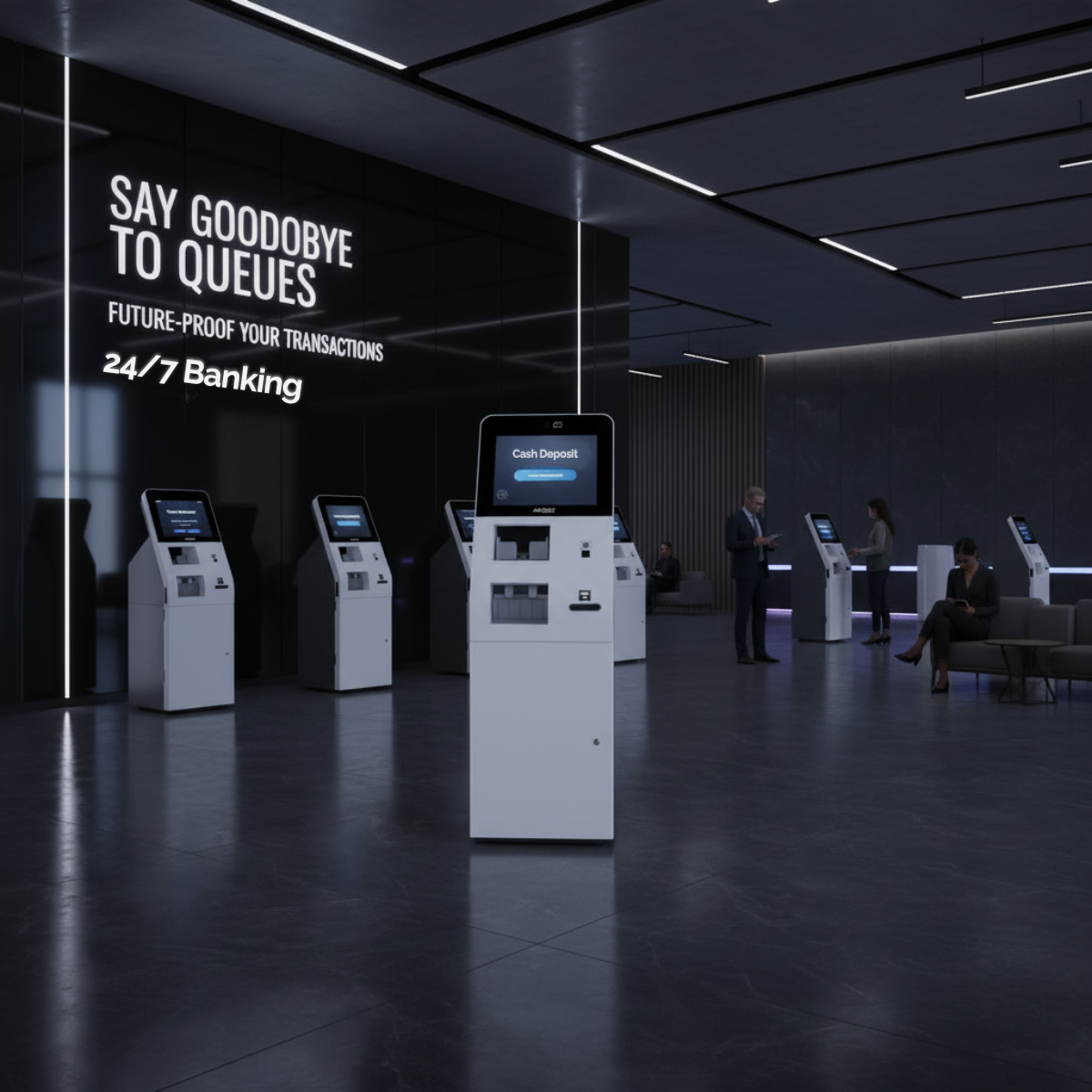
24/7 Access, Higher Self-Service Adoption
Always-on availability increases adoption of digital self-service for SMEs and frequent depositors, aligning with customer expectations for 24/7 access and convenience. A good example of this is Meezan Bank, who processes over 425 transactions daily via Wavetec’s CDMs.
Where It Makes an Impact
Banking and Financial Services
Automate lobby deposits, accelerate reconciliation, and extend hours without adding counters. See our banking self-service solutions for multi-workflow roadmaps.
Healthcare and Hospitals
Standardize fee deposits around admissions and reduce cash handling at counters. Learn how core-banking integration improves posting and audit trails for finance teams.
Government Services
Enable secure cash-in for fees and fines at service centers with multilingual UI and guided KYC. Explore our cash-in kiosk resources.
Telecom and Retail
Support bill-pay and agent deposits with unified flows. For identity-heavy tasks, explore SIM dispensing kiosks as an adjacent capability.
Education and Universities
Streamline fee deposits during enrollment peaks; monitor device health and cash levels centrally. Review a banking CDM case study for scale indicators.
Hospitality and Travel
Accept deposits for float/top-ups at back-of-house and public areas, then settle to cards as needed.
Wavetec’s queue management solutions have significantly improved our customer experience by reducing wait times and optimizing service efficiency.
Delte Air Lines

Frequently Asked Questions
Everything you need to know about the solution.
Programs typically track self-service share, average handling time, uptime, reconciliation time, and CIT efficiency. Results depend on baseline and design; begin with a pilot to benchmark.
CQuick supports real-time posting and journals via ISO messaging, web services, or middleware. Banks keep ownership of authentication, AML checks, and posting rules across environments.
Common placements include ATM lobbies, in-branch zones, and agent locations. Enclosures and access controls adapt to risk profiles and accessibility requirements in each site.
Encrypted journals, tamper sensors, safe locks, role-based access, and optional biometrics help protect devices and data. Bank systems govern KYC/AML; CQuick captures evidence and prompts.
Timelines vary by integration complexity, certifications, and site readiness. Many banks start with a limited fleet, then scale using standard images, policies, and processes.

Still have questions?
Can’t find the answer you’re looking for? Please chat to our friendly team.